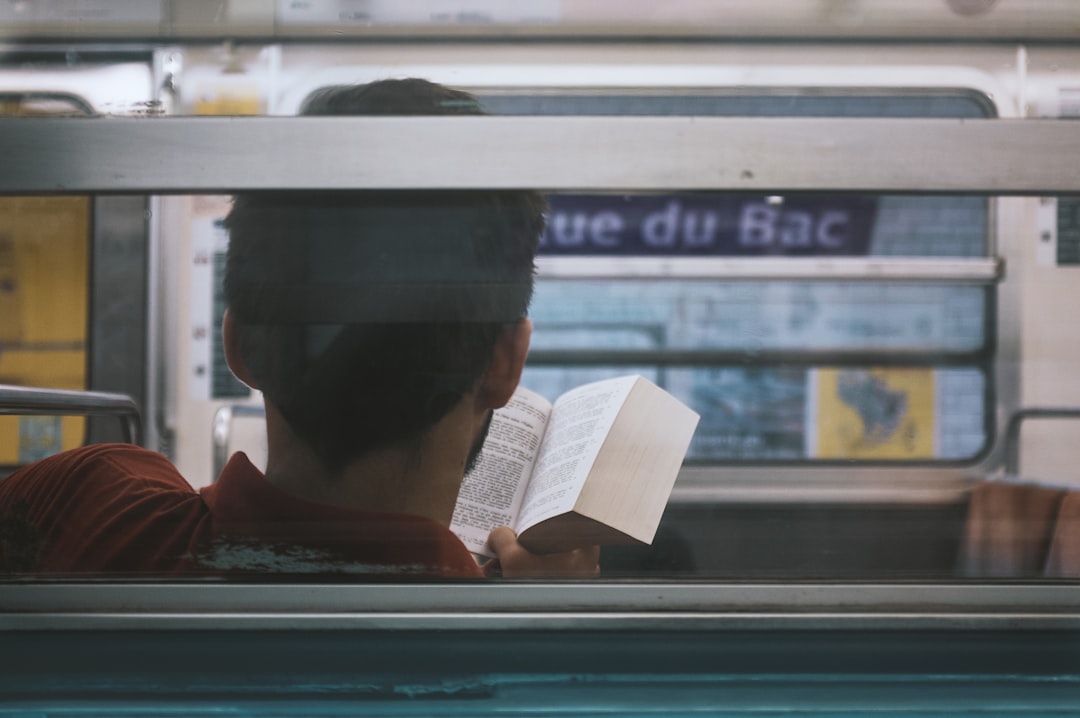
Visual storytelling is a dynamic technique that has propelled movies to global acclaim, captivating audiences through compelling imagery and cinematic mastery. But did you know indie authors can harness these same techniques to elevate their narratives and amplify reader engagement? This definitive guide dives deep into how independent writers can borrow cinematic storytelling strategies to craft immersive books, boost marketing, and deepen reader connection.
1. Understanding Visual Storytelling: Beyond Words on a Page
What is Visual Storytelling?
Visual storytelling refers to the art of conveying narrative ideas primarily through imagery, moods, and sensory details rather than explicit exposition. While films are naturally visual, writers can evoke visual experience with vivid descriptions, pacing, and scene composition, immersing readers in a quasi-cinematic reading.
The Psychological Impact of Visuals
Our brains process images faster than text, making visualization a powerful engagement tool. Indie authors leveraging sensory-rich scenes help readers create mental “movie scenes” while reading, thereby enhancing emotional investment and memory retention.
Connecting Visual Storytelling to Reader Engagement
Engaged readers are loyal readers. By visualizing characters and settings vividly, indie authors invite deeper emotional connections. Explore more on enhancing reader engagement with effective SEO strategies for creators to complement your storytelling.
2. Cinematic Techniques Indie Authors Can Adapt
Show, Don’t Tell: The Foundation
Movies never explicate emotions; they show reactions, tone, and body language. Similarly, authors should depict emotions through actions and surroundings rather than exposition. For example, instead of “John was nervous,” describe his trembling hands or darting eyes.
Framing Scenes Like a Director
Directors carefully frame shots to emphasize specific emotions or plot points. Indie authors can mimic this by focusing on key details within a scene—the way light falls, a character’s small gesture, or background elements—to create atmosphere and direct reader focus.
Using Time and Pacing to Build Tension
Films manipulate pacing, using quick cuts or lingering shots to evoke excitement or suspense. Writers can alternate sentence lengths, paragraph breaks, and pacing of scenes to mirror cinematic rhythm, thus intensifying the reader's emotional journey.
3. Deploying Visual Metaphors and Symbolism
Layered Imagery for Rich Narratives
Cinematic masterpieces use recurring visual symbols to add thematic depth. Indie authors can embed symbolic objects or colors in their texts to create resonance and foreshadowing without overt explanation. Learn about creative collaborations from filmmaking that inspire such layered storytelling.
Building Motifs Across Chapters
Repeated visual elements, such as a weather motif or a recurring dream imagery, can unify a narrative. This technique weaves a subconscious thread to guide readers through the story’s emotional arcs.
Examples of Effective Visual Metaphors in Literature
Consider the use of darkness to represent ignorance or light to symbolize hope; indie authors can adopt and personalize these to enrich thematic experience.
4. Character Visuals: Crafting Memorable Personas
Descriptive Visual Cues for Character Identity
Character descriptions rooted in distinctive visual traits help readers remember and connect. Details such as unique clothing, mannerisms, or scars become mental “visual shorthand” for personality.
Nonverbal Communication and Subtext
Like actors convey emotions silently, authors can depict gestures, posture, and facial expressions to suggest underlying feelings or conflicts, providing richer character depth without explicit dialogue.
Backstory Through Visual Flashbacks
Filmmakers use flashbacks to visually link present and past. Writers can mirror this by crafting sensory-rich memories triggered by objects or settings, enabling readers to visually and emotionally connect character histories seamlessly.
5. World Building with Cinematic Scope
Setting Scenes as Filmic Vignettes
Movies establish worlds in a few seconds of footage. Indie authors can similarly create vivid, film-like scene settings with focused detail on atmosphere, sounds, and smells, transporting readers effectively.
Scene Transitions Like Film Cuts
Use short, impactful scene transitions mimicking film cuts to maintain flow, avoid info dumping, and keep readers immersed. For optimization tips on content flow, see building analytics for content engagement.
Utilizing Visual POV Shifts
Films often shift perspectives visually to enrich storytelling. Authors can adopt varying points of view, embedding distinct visual details unique to each character’s perception, making narratives multi-dimensional.
6. The Role of Color and Lighting in Literary Scenes
Conveying Mood with Color Descriptions
Color grading in film sets emotional tone; writers can emulate this by describing lighting color and intensity. For instance, warm amber light can evoke nostalgia while harsh blue light may signify coldness or isolation.
Shadow and Contrast as Emotional Devices
Shadows in movies suggest mystery or danger. Authors can describe shadows or contrasts to underlie tension or ambiguity in scenes.
Using Natural vs Artificial Light Settings
Specifying types of light, for example moonlight vs neon lights, enriches realism and reader immersion, assisting in setting time, place, and emotional ambiance.
7. Integrating Visual Storytelling Into Self-Publishing and Marketing
Visual Storytelling for Cover and Promotional Art
Your book’s cover is the first visual impression. Indie authors should utilize cinematic elements — bold images, evocative symbols, strong color contrasts — to evoke curiosity. Discover marketing tips in our guide on SEO strategies for creators.
Leveraging Video Trailers and Social Media Visuals
Short book trailers using cinematic storytelling can generate buzz. Creators should consider crafting trailers that encapsulate story essence with atmospheric visuals and pacing. For technical insights, check leveraging AI for content innovation.
Enhancing Reader Experience with Interactive Visuals
Indie authors may integrate images, maps, or mood boards within eBooks or websites to deepen immersion. Collaborative annotation tools for shared reading can further community engagement, detailed in strategies for documentary-style content.
8. Tools and Platforms That Support Visual Storytelling for Authors
Cloud-Based Publishing & Annotation Tools
Platforms that sync libraries and annotations foster collaborative and visual reading experiences for authors and readers alike. Learn about seamless publishing workflows in podcast SEO success blueprints as an analogy for multi-platform story dissemination.
Graphic Novel and eBook Software
Tools like Canva, Adobe InDesign, or cloud-native platforms enable authors to integrate visual elements professionally in their publications without extensive design skills.
Video & Animation Resources for Book Trailers
Applications such as Adobe Premiere Rush or Blender help craft cinematic book trailers. Pair them with social media marketing tactics for maximum impact, inspired by reports on marketing team building.
9. Case Studies: Indie Authors Who Master Visual Storytelling
Author A: Using Vivid Scene Descriptions to Evoke Film-like Atmospheres
This indie author employs tight visual descriptions reminiscent of movie scenes, resulting in strong reader reviews citing “cinematic immersion.”
Author B: Integrating Visual Motifs Across a Series
By embedding symbolic colors and objects recurring throughout their series, they create cohesive narratives that readers eagerly anticipate unraveling.
Author C: Effective Use of Book Trailers for Launch Campaigns
Launching with a visually powerful trailer increased pre-orders by 40%. For more creative promotional tactics, see lessons from viral music hits.
10. SEO and Discoverability: Amplifying Visual Storytelling Online
Optimizing Descriptive Keywords and Metadata
Using keywords like “visual storytelling,” “cinematic narratives,” and “indie author book trailers” enhances search visibility. Learn practical SEO for creators at this comprehensive guide.
Embedding Rich Media for Enhanced Google Features
Search engines favor pages with video, images, and interactive media. Embedding cinematic book trailers or annotated visual maps can boost your content’s detectability.
Leveraging Social Media Algorithms With Visual Content
Cinematic visuals increase shareability and engagement on platforms like Instagram and TikTok. To understand platform trends affecting creators, review TikTok’s future for creators.
Comparison Table: Cinematic Techniques vs. Literary Adaptations
| Cinematic Technique | Purpose in Film | Adaptation for Indie Authors | Reader Benefit |
|---|---|---|---|
| Show, Don’t Tell | Express emotion visually without dialogue | Use descriptive actions and environment cues | Deeper emotional engagement and immersion |
| Framing and Lighting | Set mood and focus viewer attention | Describe light, shadows, and focus points in scenes | Enhanced atmosphere and tone clarity |
| Symbolism and Visual Motifs | Add thematic layers and foreshadowing | Embed recurring symbols or colors in narrative | Readers discover depth and connect themes |
| Dynamic Pacing | Control tension and release for emotional effect | Vary sentence length and scene pacing | Maintains reader’s interest and suspense |
| Perspective Shifts | Show story from different angles for complexity | Use multiple viewpoints with unique visual details | Rich, multidimensional story experience |
Pro Tip: Use visual storytelling not only in your writing but also in your book marketing to create a consistent, immersive brand experience that readers remember and share.
FAQs on Visual Storytelling for Indie Authors
1. How can visual storytelling improve my book’s appeal?
By evoking vivid mental images and emotions, visual storytelling helps readers immerse in your narrative, making your book more memorable and engaging.
2. Do I need to be a designer to use cinematic visuals in my book?
No. Descriptive writing can create visual experiences without graphic design. For covers and marketing visuals, you can use user-friendly tools or collaborate with designers.
3. Can visual storytelling techniques really boost book marketing?
Yes. Visuals attract attention in crowded markets and foster emotional connection, increasing shares, reviews, and sales.
4. What platforms support enhanced visual storytelling for authors?
Cloud-first platforms with annotation, video integration, and collaborative tools support rich visual storytelling. Explore strategies for documentary-style content to learn more.
5. How do I begin incorporating visual storytelling into my next writing project?
Start by paying attention to sensory details in your scenes, use show-don’t-tell methods, and try writing short vignettes focusing on visual moods before expanding to full chapters.
Related Reading
- Making Your Mark: Strategies for Documentary-Style Content - Explore how to create compelling narratives with documentary techniques.
- The Young Creator’s Edge: Leveraging AI for Content Innovation - Learn about AI tools boosting creative storytelling.
- The Dynamics of Creative Collaborations: Learning from Filmmaking Techniques - Discover how film collaborations inspire storytelling.
- Robbie Williams’ Chart Victory: Lessons for Creators on Capitalizing Trends - Insights on leveraging cultural moments for marketing.
- Understanding the Implications of TikTok’s Future for Creators - Social media trends critical for visual content distribution.