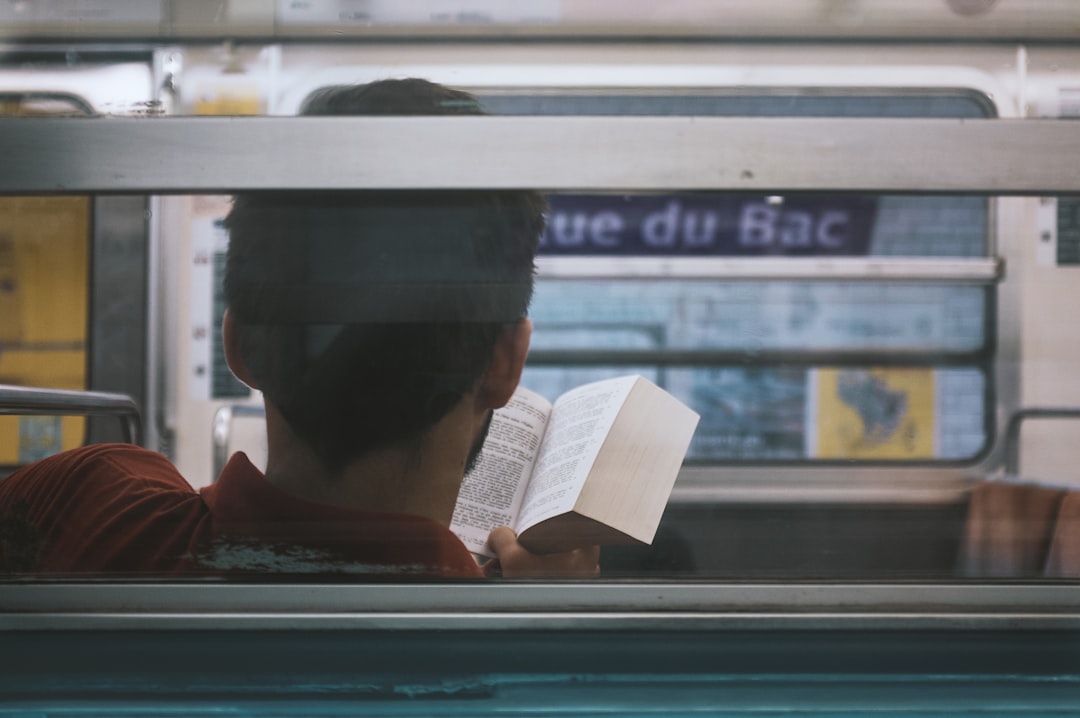
Hook: The hybrid reading room — where solitude meets community
By 2026 the most successful reading spaces mix two promises: protected, distraction-free reading and a rotating calendar of micro-events that prime community discovery. These hybrid rooms are revenue drivers, retention engines and cultural hubs.
What’s changed since the pandemic-era designs
Designers moved past open-plan silos. The new playbook puts acoustic zoning, circadian lighting, and small-event infrastructure at the centre. Evidence from recent hospitality experiments suggests that environmental cues (lighting and sound) meaningfully affect dwell time and reading quality — see parallels in hospitality research like Beyond Beds: How UK Boutique Hotels Use Circadian Lighting, Microcations and Telehealth to Win 2026 Guests.
“Quietness is now a crafted capability — built with materials, schedules and tech that respect reading rhythms.”
Design principles for hybrid reading rooms
- Layered acoustic zones: silent core, soft-speech periphery, event-ready foyer.
- Circadian lighting: warm-waves for evening reading; daylight-balanced for day sessions.
- Micro-retreat furniture: modular pods and movable partitions for individual or duo seating.
- Digital grace: local, opt-in Wi‑Fi and device docks with on-device personalization hubs.
Programming: micro-events that scale
Micro-events are 30–90 minute gatherings designed for discovery and conversion. They should be low-cost to run and easy to replicate. For event retention tactics and lifecycle thinking, apply the methods described in From RSVP to Repeat Buyer: Advanced Event Retention Strategies for 2026.
Types of micro-events that work
- Author lightning rounds — four authors, 10 minutes each
- Reading relays — community members read a chapter in rotation
- Repair & exchange sessions — swap recommendations and gently repair paperbacks
- Quiet co-working mornings — ticketed, reserved seating, free tea
Operational playbook: logistics and partnerships
Operational success depends on tight logistics: pre-packed micro-fulfilment for event merchandise, reliable lighting schedules, and pop-up operations for food and creators. If you plan to sell event-related bundles, study micro-fulfilment and sustainable packaging playbooks like Scaling Micro‑Fulfilment in 2026 for practical tradeoffs.
Case study: community pop-up sequencing
We ran a six-week sequence of three-week pop-ups in a downtown library partner. Each pop-up combined an evening micro-market with daytime reservation-only reading pods. The event series was structured like the market model used in community pop-ups — operational tips are summarized in the Origin Night Market Pop-Up announcement playbook, which influenced our vendor scheduling and local outreach.
Lighting and atmosphere: what the data tells us
Circadian lighting increases evening dwell time and reduces screen-induced strain, especially when combined with soft acoustic absorption. Designers can borrow hospitality lighting patterns documented for boutique stays — details and experiments can be found in hotelreviews.uk.
Programming partnerships: creators and micro-retail
Partner with local creators and microbrands to rotate stock and experiences. Micro-events for physical goods benefit from compact pop-up strategies: think low-footprint displays, QR-based post-event ordering, and local pickup. For inspiration on translating micro-events into micro-stores and pop-ups, see the playbook at Micro-Events to Micro-Stores: A 2026 Playbook for Sunglass Brands — many operational lessons apply cross-category.
Revenue models and community value
Hybrid reading rooms generate several revenue lines:
- Membership tiers with reservable pods
- Ticketed micro-events and workshops
- Local fulfillment for event merchandise and book bundles
To maximize repeat attendance, combine event retention tactics with encoded membership benefits and digital follow-ups using post-event recommendations.
Practical checklist for your next six months
- Conduct an acoustic audit and define three zones.
- Install tunable circadian lighting on a phased budget.
- Run a two-week pilot of reserved reading pods with soft-launch micro-events.
- Partner with two local creators for rotating pop-up inventory and one food vendor.
- Document fulfillment workflows; align with sustainable packaging best practice references like businessfile.cloud.
Future predictions — what to expect by 2027
- Micro-retreat certifications for venues that meet acoustic and lighting standards.
- Pay-what-you-value ticketing experiments tied to membership analytics.
- Interoperable pop-up toolkits enabling libraries to spin up curated micro-markets quickly.
For tactical planning, read operational case studies and market announcements such as the community pop-up playbook at theorigin.shop and retention tactics at announcement.store. If you need design reference material for downtown quiet spaces, the practical examples at Designing Quiet Reading Spaces: Libraries, Cafés and Micro-Retreats for Downtowns (2026) are a great starting point.
Closing
Designing for deep reading and community in 2026 is about orchestration: materials, light, sound, and small-scale commerce. Start small, instrument outcomes, and iterate across three-month sprints. The hybrid reading room is a durable model — it protects solitude while serving as the cultural heartbeat of local reading networks.
Related Reading
- Curating Calm: Building a Mindful Listening Playlist Beyond Spotify
- Winter Driving Comfort: Heated Seat Pads, Microwavable Alternatives and Hot-Water Bottles for Cars
- Soundtrack to a Scent: Curating Playlists That Match Fragrances
- Are Legal Damages Taxable? What the EDO–iSpot Verdict Means for Businesses
- Prompt Design for Quantum Test Benches: Avoiding AI Hallucinations in Simulation Code